• Skip to main content
  • Skip to footer
BC First Nations Climate Strategy and Action Plan
Menu
  • About
    • Background
    • First Nations Climate Lens
    • Rights and Reconciliation
    • Acknowledgements
    • Recognition
  • Strategy
    • Vision and Guiding Principles
    • Four Pathways
  • 20 Urgent Calls for Action
  • Next Steps
    • Implementation
  • Contact Us

Background

Climate Emergency
Strategy
Resolutions
Strategy PDF
Executive Summary PDF

Climate Emergency

We are experiencing a global climate emergency. It is not a future problem but the reality of our current moment. Throughout BC, we are experiencing record-setting summer and winter temperatures, a warming and rising ocean, droughts, sudden and unprecedented wildfires, damaging storms, floods, and landslides. 

First Nations recognize and are responding to this climate emergency. In 2019, Chiefs-in-Assembly mandated the BC Assembly of First Nations (BCAFN), the First Nations Summit (FNS) and the Union of BC Indian Chiefs (UBCIC), acting together as the First Nations Leadership Council (FNLC), to prepare this First Nations Climate Strategy and Action Plan ensuring that climate planning protects traditional ecological knowledge and is respectful of and co-created with First Nations Rights and Titles Holders in British Columbia. The Strategy was launched in April 2022.

Treed hill with smoky red skies obscuring visibility

Fires

BC’s 2018 wildfire season was unique in its impact on almost all regions in the province. Its record-setting area burned: 2,117 fires consumed 1,354,284 hectares of land and triggered 66 evacuation orders. In 2021, the BC Wildfire Service reported 1,610 wildfires burning between April 1 and September 30, 2021, leading to 181 evacuation orders, 304 evacuation alerts, and a 56-day state of emergency. That summer, people across the globe witnessed the sudden destruction of the village of Lytton by fire.
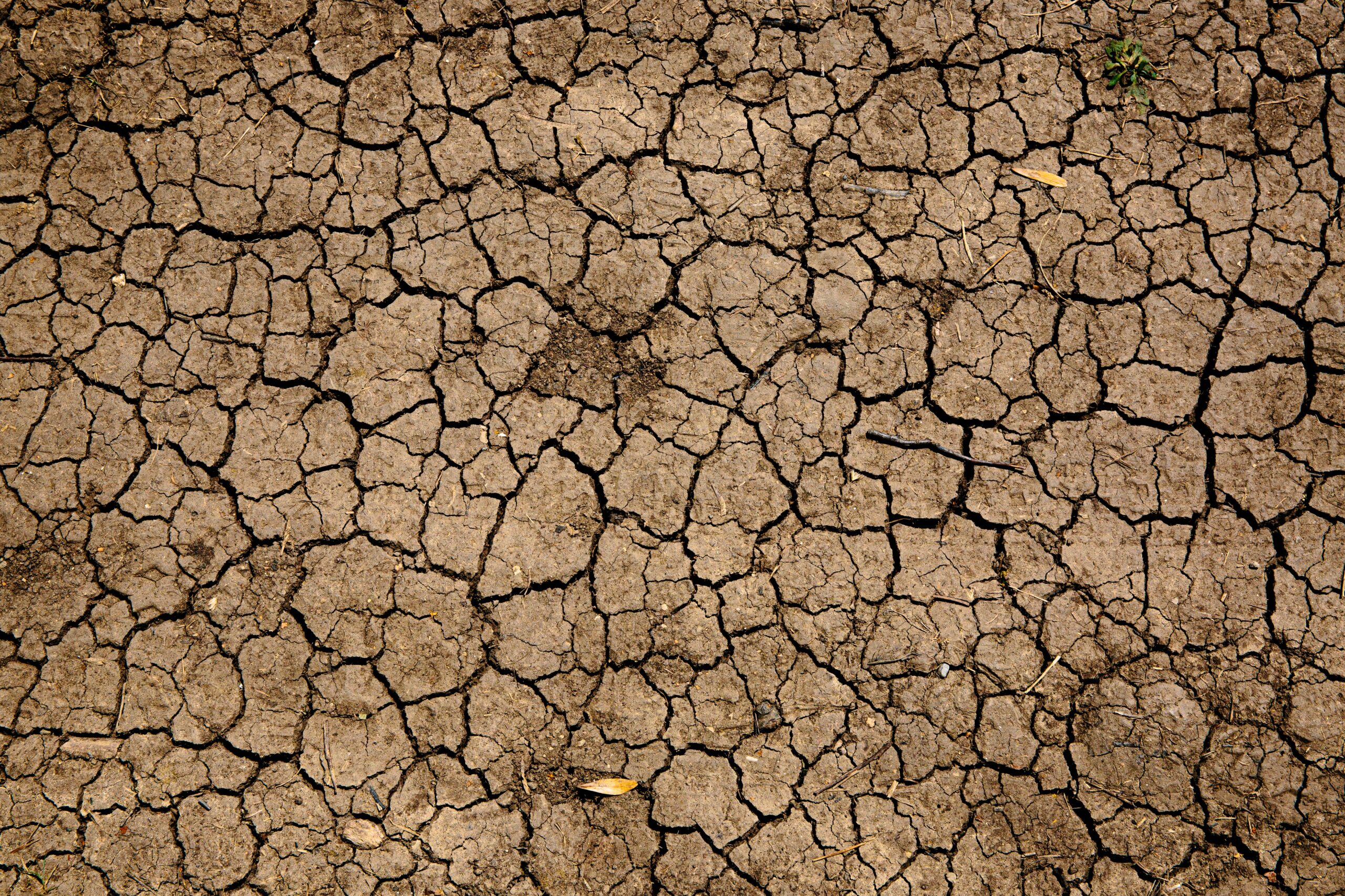
Extremely dry ground with cracking dirt

Drought

Due to low spring rainfall amounts, extreme heat, and record high temperatures for 2021, Vancouver Island and southern areas of BC experienced drought and water scarcity. This caused temporary water restriction orders for the Lower Mainland, the Thompson-Okanagan region, and some areas of Vancouver Island.
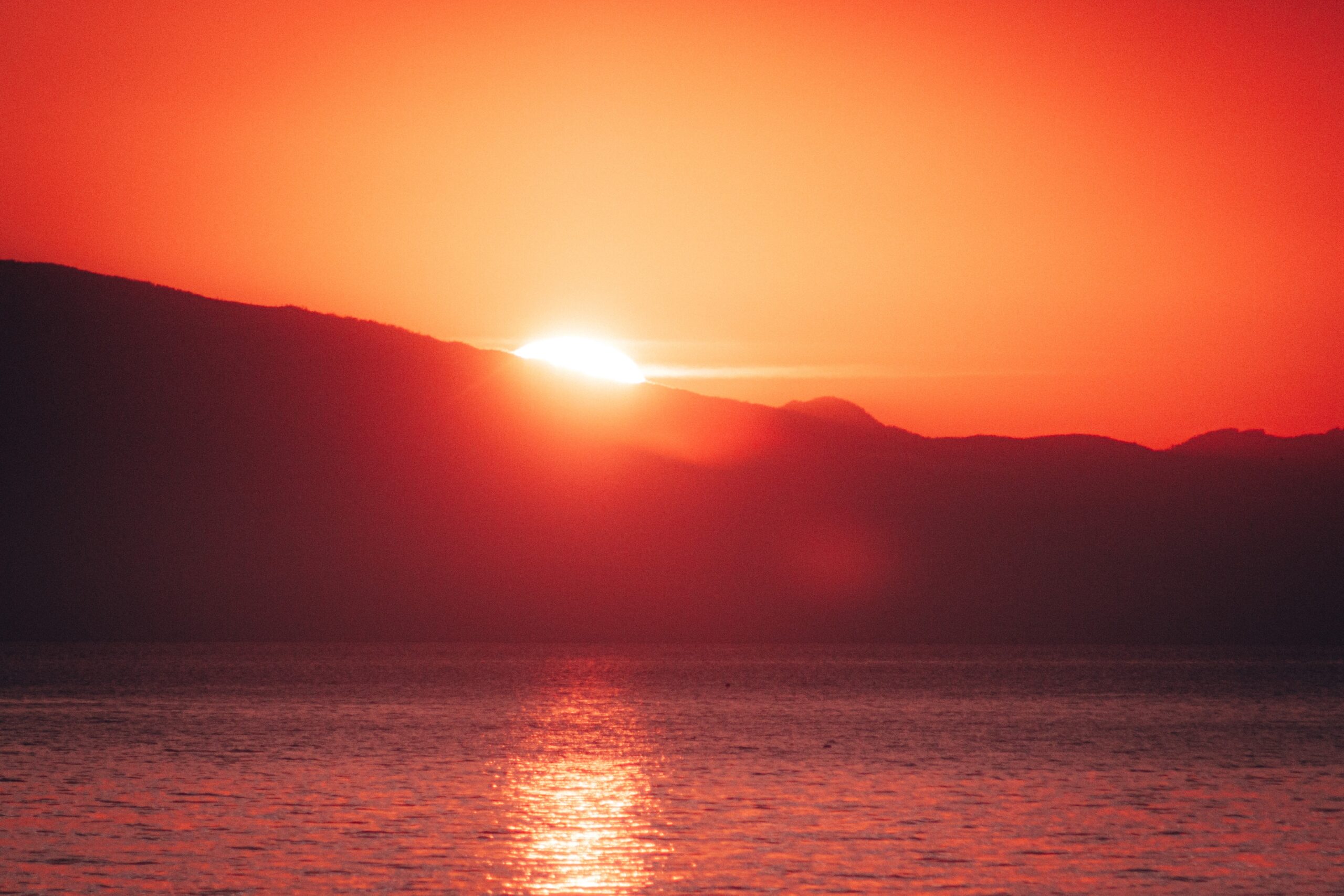
Lake in front of hills with glaring red sunset

Heat Dome

On June 28, 2021, BC banned all campfires and open burning as the province experienced an unprecedented heat dome. Temperatures reached a record-setting high of 50.2°C on June 29 in the province’s interior (data collected by the Kanaka Bar Indian Band Weather Station). Nearly 600 people in BC died from extreme temperatures, including 231 deaths on June 29 – about ten deaths per hour.
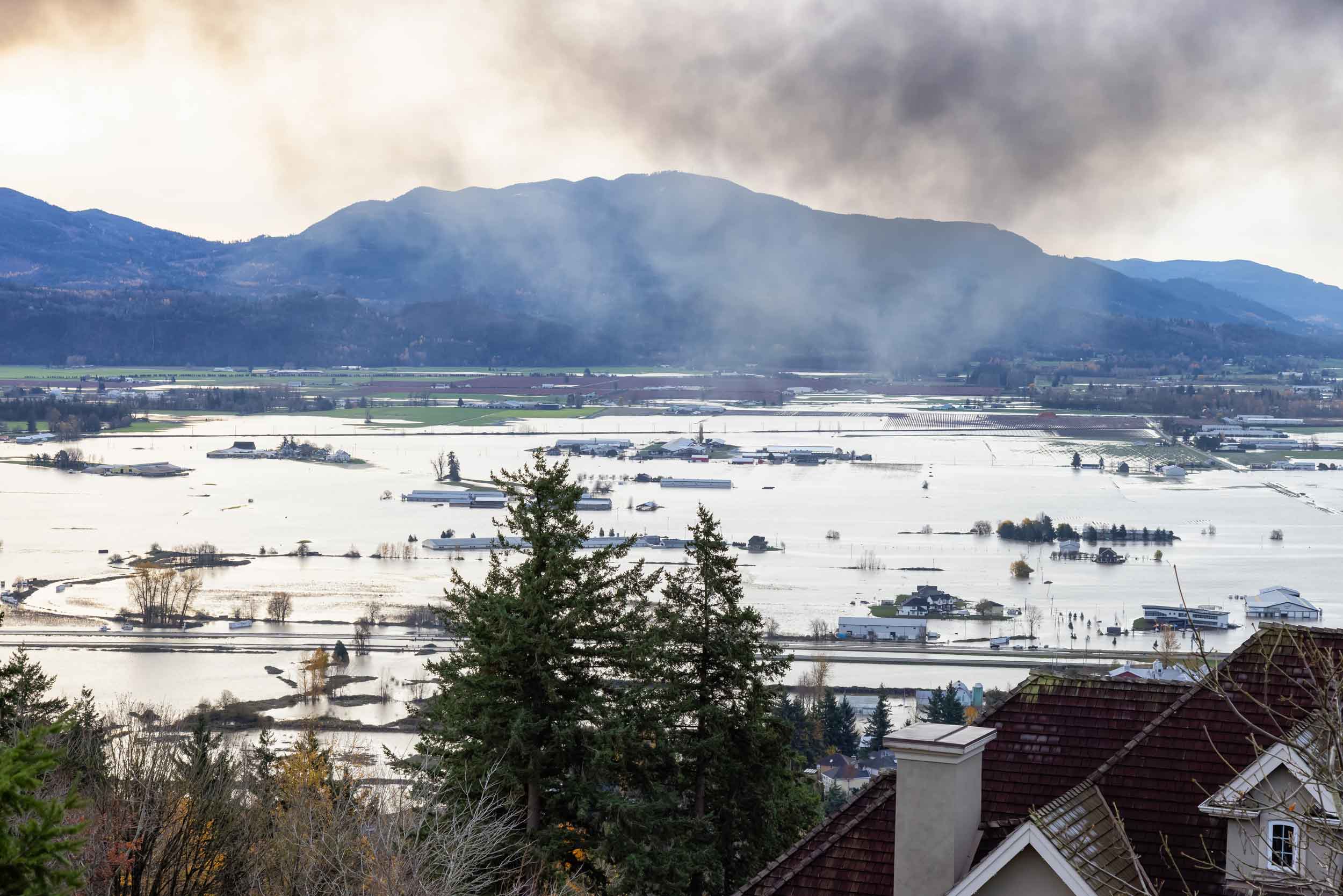
Flooded farm land

Flooding

In November 2021, an atmospheric river hit several regions of BC, setting all-time rainfall records. After just two days, the rain led to mudslides, landslides, and floods, causing catastrophic damage to homes, roads, and infrastructure. Many individuals were stranded far from their homes. The City of Abbotsford declared a local state of emergency. Communities within and around Merritt and Princeton were ordered to evacuate. More than 600,000 farm animals perished in the Sumas Prairie in the floods. The Nooaitch First Nation was left landlocked due to damage to bridges. The Lower Mainland was completely cut off from the rest of the country due to damage to Highway 99. Many other First Nations were heavily impacted. By mid-November, British Columbia declared a state of emergency, confirming the deaths of thousands of animals and some individuals, banning non-essential travel, and rationing gasoline in some parts of the province.
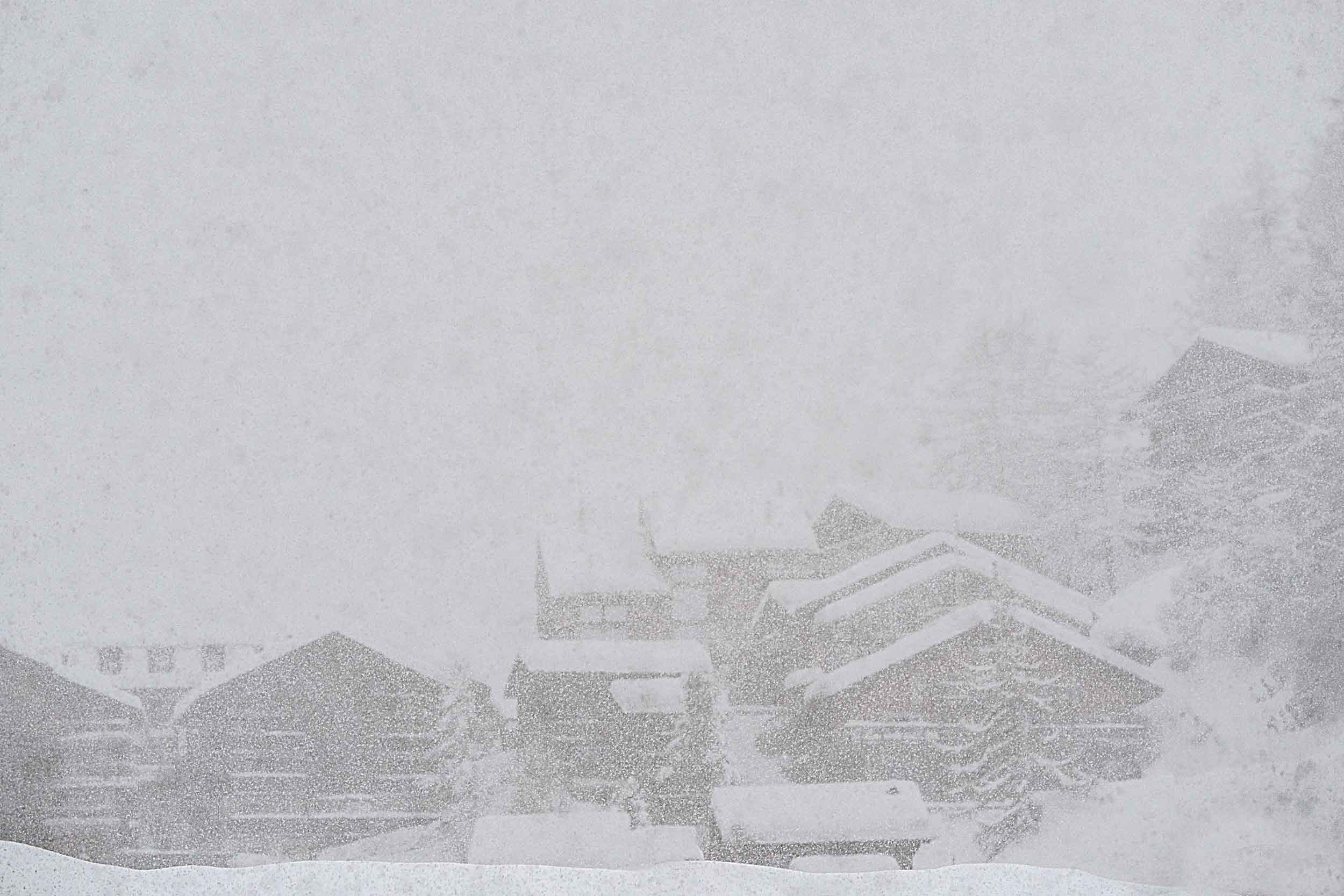
Houses in white out blizzard conditions

Cold snap

Environment Canada warned of extreme cold, Arctic outflow, and winter storms for most of BC in December 2021 and January 2022. In December, at least two dozen temperature records were broken across the province, with many communities enduring temperatures as low as -40°C and -50°C in the northern region.
Canada’s Changing Climate Change Report (2019) confirms that Canada has warmed at nearly double the magnitude of the global average. The Indicators of Climate Change for British Columbia (2016) notes that our province has warmed an average of 1.4°C per century from 1900 to 2013, higher than the global average rate of 0.85°C per century. Northern and interior regions of BC have warmed even more rapidly than coastal regions.

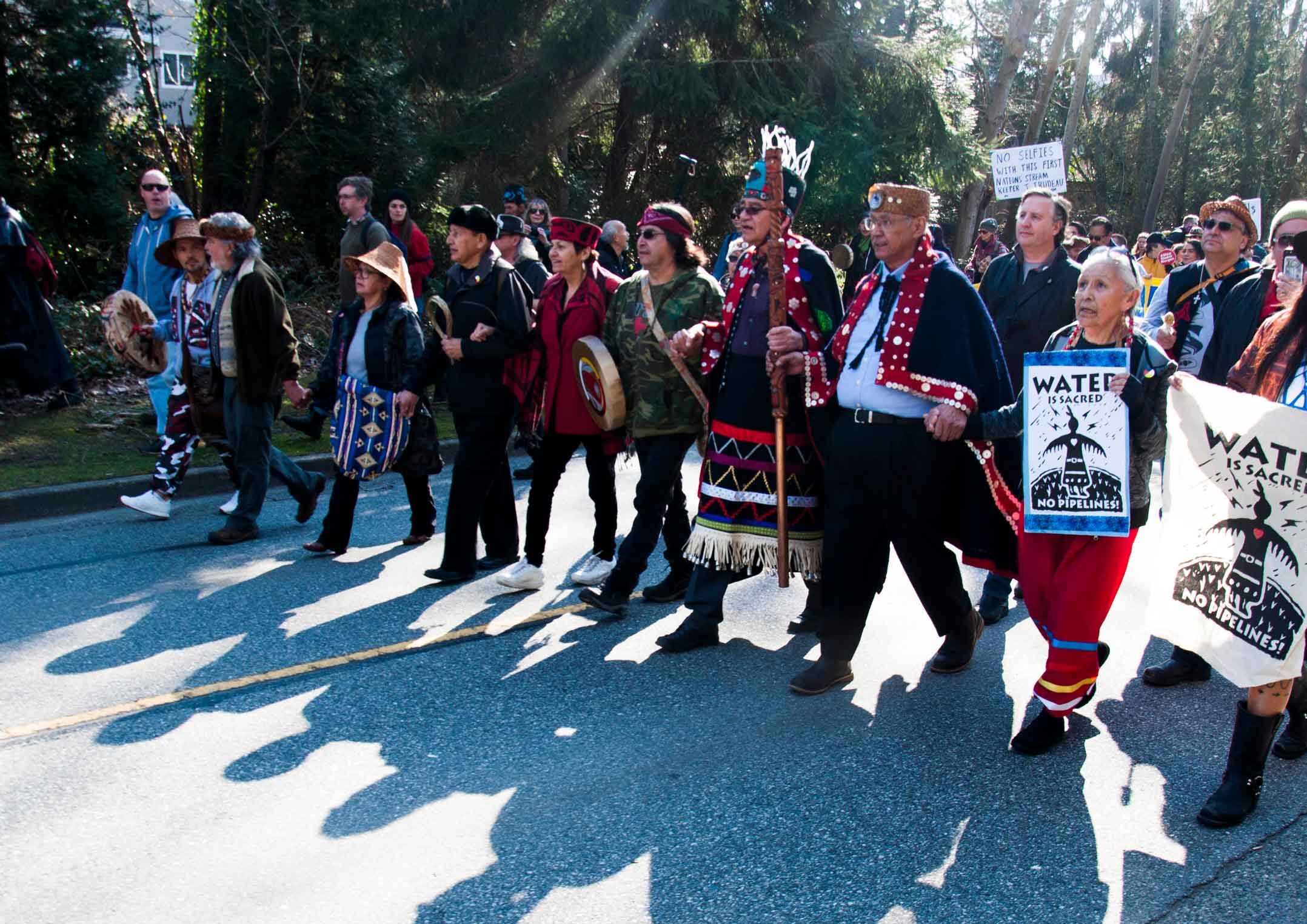
First Nations marching for water

“Many of the changes observed in the climate are unprecedented in thousands, if not hundreds of thousands of years, and some of the changes already set in motion – such as continued sea level rise – are irreversible over hundreds to thousands of years”

The Intergovernmental Panel on Climate Change

The future of climate change will be driven by human-caused greenhouse gas (GHG) emissions. The United Nations Emissions Gap Report (2020) projects dramatic temperature increases if we do not escalate mitigation efforts now. 

The climate crisis is inseparable from First Nations’ experiences and realities. Climate change amplifies the impacts of colonization, including physical and emotional health and wellness, poverty, housing insecurity, food and water insecurity, rights erosion, access to land, and more.
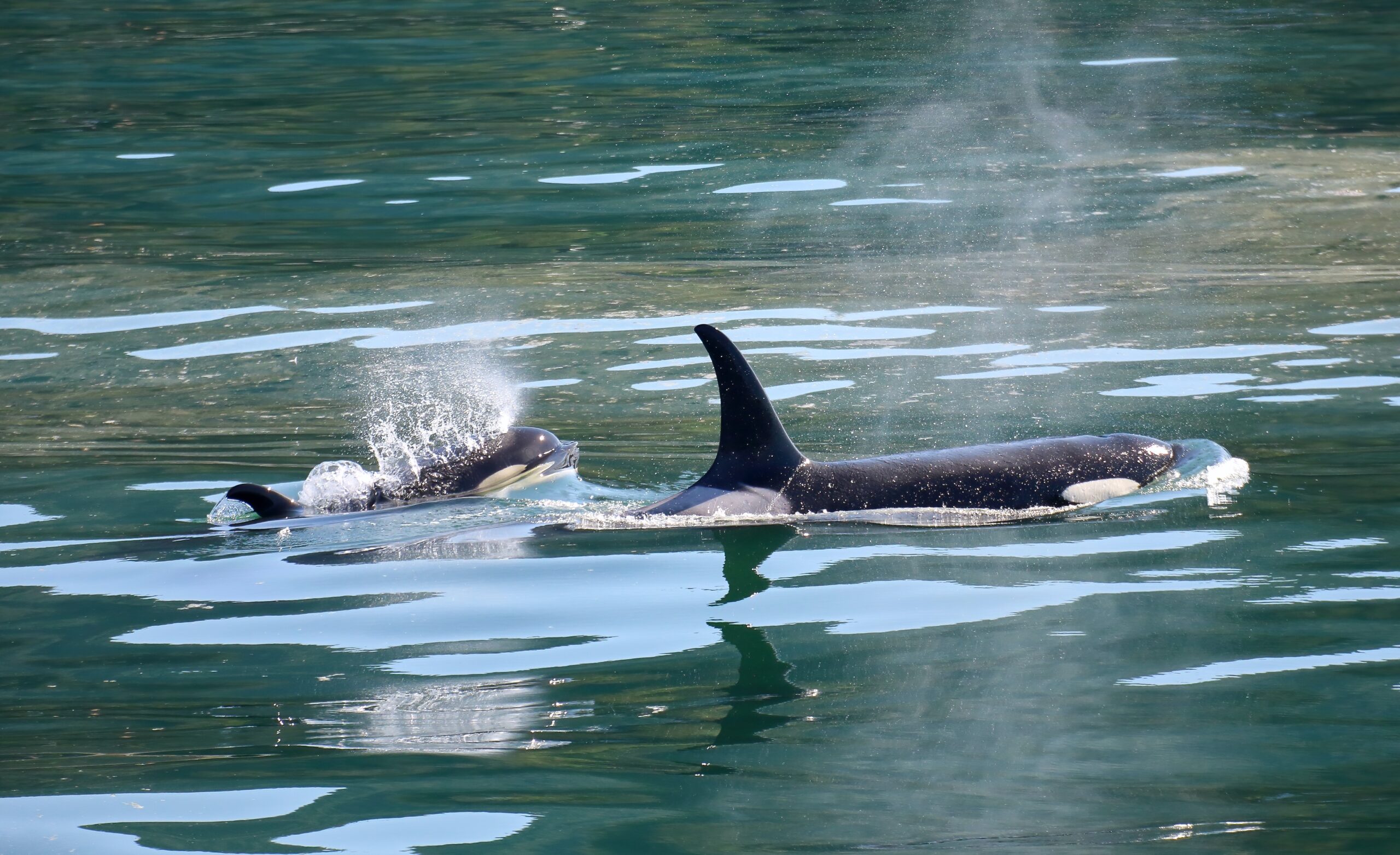
Killer whales in coming to the surface of the ocean

“We all need clean water to survive, and we should not pollute our lakes, rivers, and oceans. Therefore, we must change how everything works to ensure clean water for everything and everyone. We must learn to manage ourselves to create sustainable environments for generations to come. Instilling value systems that promote respect for Mother Earth is one simple way to make consistent positive change.”

Tannis Reynolds, Stellat’en First Nation

In Canada and BC, climate conversations often disregard the legacies of colonization and the continued displacement and assimilation practices led by the state. Climate policy and environmental stewardship are predicated on a colonial model that discounts Indigenous Knowledge. Indigenous land and water protectors and defenders face excessive force by policing authorities. First Nations approaches to climate change have been silenced and predominately excluded from climate response and planning. For First Nations, decarbonization cannot be seen as separate from decolonization.

Why a BC First Nations Climate Strategy

Indigenous Peoples and their traditional territories are disproportionately affected by climate change more than any other group in Canada. The changing climate impacts the lands, waters, natural habitats, and ecosystems that sustain us. First Nations’ ancestral lands and sacred resources risk degradation and destruction. Their communities and cultural identities depend on immediate and bold action.

First Nations communities hold millennia of knowledge stemming from their relationship and connections to the land, the waters, and the Earth. Yet, provincial and federal climate responses still need to adequately engage and co-develop appropriate climate actions with First Nations in BC. Climate actions cannot be divorced from other priority issues of First Nations’ cultural survival, self-determination, self-governance, and place-based economy autonomy. As such, the development of a First Nations-led climate strategy is essential.

“As demonstrated over the last eight months, BC and First Nations, in particular, have experienced the catastrophic effects of climate change. The wildfires, the record-breaking heat dome, the atmospheric rivers and subsequent floods, and the extreme cold weather highlight the urgency for delivering bold changes to tackle and prepare for a world living in a climate crisis. Yet, the CleanBC plan and other Crown plans do not respond to First Nations’ specific needs, realities, and priorities. That is why we need our own plan reflecting our unique connections to our lands and our ancestors’ teachings. The BC First Nations Climate Strategy and Action Plan will guide our path forward while asserting our inherent and constitutionally protected Title, Rights, and Treaty Rights.”

Regional Chief Terry Teegee, BC Assembly of First Nations

The BC First Nations Climate Strategy and Action Plan amplifies First Nation voices as the first peoples and original caretakers of these lands to communicate priorities in climate planning and to work collaboratively to ensure the protection and stability of the Earth.

The Strategy guides climate responses while communicating to partners that climate action is only possible when co-created with First Nations in ways that protect and strengthen Title, Rights, and Treaty Rights and when Indigenous Knowledge, laws, and legal processes are thoroughly incorporated. The hope is that the Strategy inspires change and catalyzes the implementation of foundational initiatives to preserve the quality of life for generations. 

Resolutions

In 2019 and 2021, First Nations leadership in British Columbia passed resolutions calling for the development of a BC First Nations Climate Strategy and Action Plan:

  • BC Assembly of First Nations (BCAFN) Resolution No. 04/2019
  • Support for the draft BC First Nations Climate Strategy and Action Plan 06/2022
  • First Nations Summit (FNS) Resolution No. 2021/15
  • FNS Resolution 06/2022
  • UBCIC Resolution 02/2022
  • UBCIC Resolution 02/2019

The First Nations Leadership Council (FNLC) was mandated to coordinate the development of this work in collaboration with First Nations in BC.

To develop the Strategy, the FNLC worked with First Nations in all regions of the province to identify community-specific challenges, needs, and priorities. The Strategy combines input and feedback from First Nations leadership, staff, Elders, Knowledge Holders, youth, women, First Nations institutions and organizations, and climate experts and advocates. 

The Strategy represents the knowledge, histories, and experiences that have been shared, but it does not represent the voice of all Indigenous Peoples. It is province-wide in scope; however, the Strategy also respects the diversity and self-determination of First Nations in BC.

Footer

British Columbia Assembly of First Nations logo
First Nations Summit logo
Union of British Columbia Indian Chiefs logo

The First Nations Leadership Council (FNLC) is a collaborative working group comprised of the political executives of the BC Assembly of First Nations (BCAFN, the First Nations Summit (FNS), and the Union of BC Indian Chiefs (UBCIC).

  • Home
  • Four Pathways
  • 20 Urgent Calls for Action
  • Contact Us